What's new

This page is updated each week (usually on Monday morning) with notes from the Sugar Labs community. (The digest is also sent to the community-news at sugarlabs.org list, blogged at walterbender.org, and archived here.) If you would like to contribute, please send email to walter at sugarlabs.org by the weekend. (Also visit planet.sugarlabs.org.)

Sugar Digest

1. I was recently asked "Sorry if this should be common knowledge... Were you the key designer behind Sugar?"

Given the penchant for retrospective in the days before a new year, I thought I would provide a more long-winded answer than perhaps was being sought.

Much of the early development of Sugar took place in the MIT Media Lab. We began in the spring of 2006, in parallel with the work of the teams responsible for developing other aspects of the XO laptop’s software, including device drivers, power management, and security. One might ask how OLPC was able to create an entirely new learning platform from whole cloth, and do so with almost no investment in software engineering. The short answer is that they didn’t. OLPC solved the problem of how to develop the Sugar software with limited resources by attracting external resources—not creating them from scratch—while articulating clearly defined objectives. OLPC built upon decades of research into how to engineer software to promote learning and amplified OLPC’s staff resources by leveraging key partnerships within the Free Software movement.

Our principal partners in Sugar development were a small engineering team from Red Hat and Pentagram. The Red Hat team, under the leadership of Chris Blizzard, an experienced systems engineer, was tasked with leading the software engineering effort behind the development of the Sugar desktop. Lisa Strausfeld, a former MIT Media Lab student, led a team from Pentagram tasked with developing the interaction design and graphical identity of Sugar. In six months, this core group was able to produce a basic framework for Sugar upon which a community of pedagogists and software engineers could build learning activities. The team used an iterative-design process: rapid prototyping of ideas followed by critiques, followed by coding. We went through two to three cycles per week until we reached consensus on a basic framework. It was at this point, we were able to set higher-level goals enabling participation by a broader community of developers.

Like the XO development process, which was going on in parallel, the software development process required ongoing efforts to solve knotty and often unprecedented technical problems. To wrestle with these, the OLPC, Red Hat, and Pentagram teams met face to face on a bi-weekly basis. The broader development community, which over time was dispersed across five continents, was engaged in addressing the same problems, and met 24/7 in multilingual on-line chat forums. This was a global movement: the lead developer lived outside of Milan, Italy, a lead community contributor lived in Siberia, a testing team operated out of a coffee shop in Wellington, New Zealand. Significant contributions were made by a high-school student from Wunstorf Germany, an energy-management consultant living in Melbourne, Australia, and a student at the University of San Carlos in Brazil. The use of modern software-development tools, such as distributed source-code management and wikis enabled members of the development community to collaborate anywhere and at any time. We were also able to pilot Sugar in a wide range of contexts as well, getting hands-on experience and feedback in schools in Nigeria, Thailand, Cambodia, and Brazil.

Sugar was designed so that new uses emerging from the community could easily be incorporated. The journal was the brainchild of Ivan Krstić. Popular activities came from community volunteers such as Brian Silverman, a long-time collaborator of Papert who created Turtle Art, and Alan Kay and the Viewpoint team who created the Etoys learning environment. Others were commissioned from specific individuals, including a multimedia activity called Record written by Erik Blankinship and Bakhtiar Mikhak; the Sugar word processor, Write, which was based on Abiword and written by J.M. Maurer; the TamTam musical activity suite written by Jean Piché and his students at the University of Montreal; and some constructionist games from Harel's MamaMedia group which were “sugarized” by Morgan Collett and Carlos Neves.

Sugar was explicitly designed by OLPC to be augmented and amplified by its community and the end users: once these initial examples were published, the floodgates opened and activities began to come in unsolicited. While we had the advantage of a highly publicized project—OLPC was the subject of almost daily international news coverage—we did not necessarily have direct access to the highly skilled software-development community we needed in order to grow. We therefore did outreach in the forums where these people hung out. In Free Software, that is primarily in chat rooms and at conferences. Blizzard and the Red Hat team established an IRC channel for the project that soon attracted nearly 100 concurrent users. Gettys spend a great deal of his time attending Free Software conferences, focusing especially on conferences in regions where OLPC was targeting deployments, in order to solicit volunteers. We also used word of mouth, leveraging both the MIT alumni network and friends and colleagues from industry.

By the end of 2006, Sugar had a basic system running which included all of the basic activities: Write, Browse, Read, Paint, etc. By the end of 2009, Sugar had hundreds of activities contributed by thousands of developers around the world, and the ongoing engagement of a global group of developers, teachers and students.

Sugar Labs

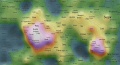
Gary Martin has generated SOMs from the past few weeks of discussion on the IAEP mailing list:

Visit our planet for more updates about Sugar and Sugar deployments.

Community News archive

An archive of this digest is available.

Planet

The Sugar Labs Planet is found here.

Sugar in the news

08 Jan 2012 The Verge – OLPC XO 3.0 tablet preview: impressions, video, and pictures
07 Jan 2012 The Verge – OLPC XO 3.0 tablet: an 8-inch tablet for $100, with Android and Sugar options for the children
23 Dec 2011 Miller-McCune – One Laptop Per Child Redux
18 Oct 2011 BDU – Robotics in Uruguay (video)
11 Aug 2011 Berlin.de – Gewinner des Berliner Landeswettbewerbs zu Open Source stehen fest
25 Jul 2011 CCC Classic – Garmin-sugarlabs development cycling team at Crit starting line
25 Jul 2011 CCC Classic – Garmin-sugarlabs development cycling team after Crit
13 Apr 2011 framablog – L'expérience Sugar Labs préfigure-t-elle une révolution éducative du XXIe siècle?
05 Apr 2011 Businesswire – The Government of Peru Expands the One Laptop Per Child Program with Local Manufacturing
31 Jan 2011 Sundance – A Day in the Life – Peru
01 Dec 2010 velonation – Sugar Labs to back Garmin-Cervelo’s development team in unique arrangement
28 Oct 2010 UCR – Nuevas tecnologías deben estar al alcance de todos los niños y niñas
05 Oct 2010 xconomy – One Ecosystem per Child
08 Sep 2010 FLOSS Weekly – Sugar Labs
09 Aug 2010 ABC digital – Indicadores constatan el impacto positivo en el aprendizaje de niños
23 Jun 2010 ABC digital – Xo para todas las escuelas de Caacupé
21 Jun 2010 La Nacion – “Buscamos que los niños no solo usen softwares, sino que puedan crear uno”
20 Jun 2010 UltimaHora.com – La laptop une a padres, alumnos y docentes
15 Jun 2010 The H – OLPC XO-1.5 software updated
10 Jun 2010 engadget – Sugar on a Stick hits 3.0, teaches us about a new kind of fruit
27 May 2010 Pro Linux DE – Sugar on a Stick v3 freigegeben (German)
27 May 2010 NY Times – One Laptop Per Child Project Works With Marvell to Produce a $100 Tablet
27 May 2010 PC World – OLPC Rules out Windows for XO-3
03 May 2010 WXXI: Mixed Media – Interview with Walter Bender (audio)
03 May 2010 Linux Magazine – OLPC Computers for Palestinian Refugee Children
14 Apr 2010 National Science Foundation – XO Laptops Inspire Learning In Birmingham, Alabama (video)
02 Apr 2010
15 Mar 2010 nbc13.com – Birmingham City students opt to spend spring break in class, XO computer camps (video)
18 Feb 2010 LWN – Karma targets easier creation of educational software
05 Feb 2010 iprofesional – La PC barata de Negroponte desembarca en la Argentina para pelear contra Intel
14 Jan 2010 AALF – Open Systems for Broader Change
03 Jan 2010 Educacion 2.0 – PLAN CEIBAL, El Libro
14 Dec 2009 xconomy – Sugar gets sweeter
10 Dec 2009 Ars Technica – Sugar software environment gets sweeter with version 2
09 Dec 2009 Wired – New Sugar on a Stick Brings Much Needed Improvements
08 Dec 2009 engadget – Sugar on a Stick OS goes to 2.0, gets Blueberry coating and creamy Fedora 12 center (video)
07 Dec 2009 Teleread.org – Sugar on a Stick: What it means for e-books and education
27 Nov 2009 CNET Japan – 「コードを見せて、もっと良くなるよ」と言える子どもが生まれる--Sugar Labsが描く未来
16 Nov 2009 zanichelli – software libero a scuola
12 Nov 2009 opensuse.org – openSUSE 11.2 Released
07 Nov 2009 My Broadband News – Mandriva 2010 packs a punch [and Sugar]
06 Nov 2009 GhanaWeb – Open education and an IT-enabled economic growth in Ghana: Musings of a dutiful citizen
26 Oct 2009 Linux Magazine ES – Software Libre como apoyo al aprendizaje
09 Oct 2009 interdisciplines – OLPC and Sugar: mobility through the community
08 Oct 2009 IBM developerWorks – 10 important Linux developments everyone should know about
01 Oct 2009 OLPC France – Interview Walter Bender au SugarCamp
25 Sep 2009 The Inquirer – One Laptop per Child marches on
18 Sep 2009 Groklaw – The Role of Free Software in Education
18 Sep 2009 Reuters – Sugar Labs and Free Software Foundation Celebrate Software Freedom Day
17 Sep 2009 ICTDev.org – Dream Again with One Laptop per Child
26 Aug 2009 Latinux – Azúcar en una memoria USB
03 Aug 2009 Wired: Geek Dad – Inventing a New Paradigm: SugarLabs and the Sugar UI
30 Jul 2009 Zanichelli – Sugar on a Stick: imparare insieme
23 Jul 2009 Everything USB – RecycleUSB.com - Donate your Flash Drives for a Good Cause
22 Jul 2009 OLPC France – Sugar : mauvaise presse et mise au point
13 Jul 2009 Spiegel Online – Das zuckersüße Leichtbau-Linux
07 Jul 2009 ComputerWorldUK – Gran Canaria Desktop Summit: a Study in Contrasts
06 Jul 2009 Windows Forest – USBメモリなどから“OLPC”用のOSを利用できる「Sugar on a Stick」が無償公開
02 Jul 2009 Howard County Library – Sugar on a Stick
27 Jun 2009 Deutschlandfunk – Süßes für die Kleinen: Sugar ist Linux speziell für Kinder (in Deutsch)
26 Jun 2009 EduTech – Sugar on a stick, and other delectables (praise for the lowly USB drive)
26 Jun 2009 Ars Technica – Sugar on a Stick brings sweet taste of Linux to classrooms
24 Jun 2009 BBC – OLPC software to power aging PCs
24 Jun 2009 Technology Review – $100 Laptop Becomes a $5 PC
15 Jun 2009 TechSavvyKids – Episode 10 FOSSVT: Sugar on a Stick (audio)
10 Jun 2009 LWN.net – Sugar moves from the shadow of OLPC
27 May 2009 LWN.net – Activities and the move to context-oriented desktops (subscriber link)
27 May 2009 Business Wire – Dailymotion Launches Support for Open Video Formats and Video HTML Tag
01 May 2009 Guysoft – Nokia N810 Running OLPC Sugar
29 Apr 2009 El Mercurio – Así se vivió la fiesta del software libre
27 Apr 2009 ostatic – Sugar on a Stick: Good for Kids' Minds (and School Budgets)
25 Apr 2009 Free Software Magazine – The Bittersweet Facts about OLPC and Sugar
24 Apr 2009 Ars Technica – First taste: Sugar on a Stick learning platform
22 Apr 2009 Betanews – Beta of Live USB Sugar OS opens
27 Mar 2009 Mass High Tech – Google promotes summer open-source internships
18 Mar 2009 Metropolis – A Good Argument
16 Mar 2009 Laptop Magazine – Sugar Labs’ New Version of Sugar Learning Platform Is Netbook and PC Ready
16 Mar 2009 Market Watch – Sugar Labs Nonprofit Announces New Version of Sugar Learning Platform for Children, Runs on Netbooks and PCs
14 Feb 2009 OLPC Learning Club – DC – Learning Learning on a Stick
05 Feb 2009 xconomy – Sugar Beyond the XO Laptop: Walter Bender on OLPC, Sucrose 0.84, and “Sugar on a Stick”
26 Jan 2009 Linus Magazine – Sugar Defies OLPC Cutbacks
19 Jan 2009 Feeding the Penguins – The status of Sugar, post-OLPC
16 Jan 2009 OLPC News – Sugar on Acer Aspire One & Thin Client via LTSP
12 Jan 2009 Bill Kerr – thoughts about olpc cutbacks
07 Jan 2009 Ars Technica – OLPC downsizes half of its staff, cuts Sugar development
06 Jan 2009 OLPC News – An Inside Look at how Microsoft got XP on the XO
30 Dec 2008 OLPC News – Sugar Labs Status at Six Months
22 Dec 2008 The GNOME Project – Sugar Labs, the nonprofit behind the OLPC software, is joining the GNOME Foundation
16 Dec 2008 Feeding the Penguins – Sugar git repository change
14 Dec 2008 NPR – Laptop Deal Links Rural Peru To Opportunity, Risk (Part 2)
13 Dec 2008 NPR – Laptops May Change The Way Rural Peru Learns (Part 1)
09 Dec 2008 SFC – Sugar Labs joins Conservancy
31 Oct 2008 Linux Devices – An OLPC dilemma: Linux or Windows?
10 Oct 2008 Feeding the Penguin – Sugar on Ubuntu
21 Sep 2008 Groklaw – Interview with Walter Bender of Sugar Labs
17 Sep 2008 Bill Kerr – Sugar Labs
16 Sep 2008 Open Source – Sugar everywhere
28 Aug 2008 OLPC News – An answer to Walter Bender's question 22
20 Aug 2008 OLPC News – Sugarize it: Intel Classmate 2
08 Aug 2008 Investor's Business Daily – 'Learning' Vs. Laptop Was Issue
06 Aug 2008 OLPC News – Twenty-three Questions on Technology and Education
18 Jul 2008 Bill Kerr – evaluating Sugar in the developed world
28 Jun 2008 OLPC News – A Cutting Edge Sugar User Interface Demo
18 Jun 2008 PC World – OLPC Spin-off Developing UI for Intel's Classmate PC
17 Jun 2008 Datamation – If Business Succeeds with GNU/Linux, Why Not OLPC?
11 Jun 2008 LinuxInsider – The Sweetness of Collaborative Learning
06 Jun 2008 Bill Kerr – untangling Free, Sugar, and Constructionism
06 Jun 2008 Open Education – Walter Bender Discusses Sugar Labs Foundation
06 Jun 2008 BusinessWeek – OLPC: The Educational Philosophy Controversy
05 Jun 2008 Code Culture – The Distraction Machine
05 Jun 2008 BusinessWeek – OLPC: The Open-Source Controversy
27 May 2008 The New York Times – Why Walter Bender Left One Laptop Per Child
26 May 2008 Ars Technica – OLPC software maker splits from X0 hardware, goes solo
22 May 2008 BetaNews – Linux start-up Sugar Labs in informal talks with four laptop makers
16 May 2008 OSTATIC – OLPC's Open Source Sugar Platform Aims for New Hardware
16 May 2008 PCWorld – Bender Forms Group to Promote OLPC's Sugar UI
16 May 2008 MHT – Bender jumps from OLPC, founds Sugar Labs
16 May 2008 News.com – Sugar Labs will make OLPC interface available for Eee PC, others
16 May 2008 Feeding the Peguins – The future of Sugar
16 May 2008 Sugar list – A few thoughts on SugarLabs
16 May 2008 xconomy – Bender Creates Sugar Labs—New Foundation to Adapt OLPC’s Laptop Interface for Other Machines
16 May 2008 BBC – '$100 laptop' platform moves on
15 May 2008 OLPC wiki – Dual-boot XO Claim: OLPC will not work to port Sugar to Windows.
16 May 2008 Softpedia – Bender Launches Sugar Labs for Better Development of OLPC's Sugar UI

Press releases

See our Press Page